
X4 Labs Extender Review: When a Promising Start Turned into a Painful Lesson
I decided to write this X4 Labs Extender review because I wish someone had told me what I’m about to share before I bought it. Like many others, I was drawn in by the big promises and professional look. The website made it sound like a medically approved, well-engineered device that could bring visible results in a few months. I had used extenders before, so I thought I knew what to expect. But my experience with X4 Labs was nothing like the others I had tried. What began with excitement and high expectations slowly turned into frustration, discomfort, and eventually, a trip to a doctor that I never imagined would be necessary for something like this.
What Made Me Choose the X4 Labs Extender
I first heard about X4 Labs while comparing traction devices online. It appeared in several lists of “top-rated extenders,” often praised for its adjustable tension levels and custom fit. The photos looked convincing, and it seemed to have solid engineering behind it. The claims were straightforward: steady use, noticeable results, minimal discomfort.
That was exactly what I was looking for. I wasn’t after overnight miracles, just consistent progress from something that felt legitimate. The kit looked professional, and the company claimed it was made from medical-grade materials. So, I decided to give it a try. It was more expensive than some other options, but I convinced myself that quality often comes at a price.
Unboxing and First Impressions
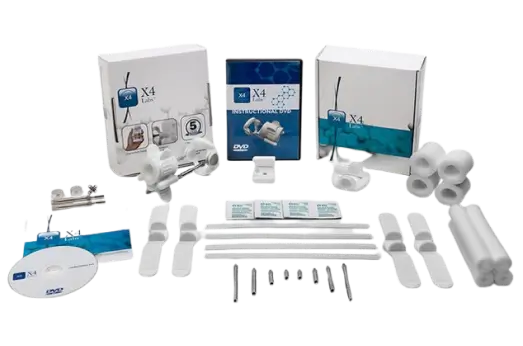
When the box arrived, it looked like what I expected—a well-organized kit with multiple rods, comfort pads, and straps. Everything was cleanly packed and had a somewhat clinical feel. The extender itself looked sturdy, with metallic parts that seemed durable.
However, my first concern appeared right away. The “comfort strap” looked thinner and tighter than I expected. It didn’t feel like something meant for long-term wear. I brushed it off, thinking it might just take time to get used to. After all, new devices often have a learning curve.
The First Week of Use
The first few sessions were manageable, though not comfortable. The strap kept slipping or pinching, and I had to keep adjusting it to avoid redness. The tension system felt inconsistent; sometimes it stretched too much, and other times it barely held position.
I was determined to stick with it, thinking maybe it was just a matter of technique. I followed the instructions carefully, keeping sessions short at first. But even at low tension, I began noticing soreness after every use. The discomfort didn’t go away between sessions.
By the end of the first week, I started developing small red marks near the base. I reduced the wearing time, hoping that would help, but the irritation only worsened.
Trying to Push Through
I’ve always believed that consistency brings results, so I tried to keep going. I adjusted the angle, changed the padding, and even used additional cloth for cushioning. Nothing really solved the problem. The device felt harsh, especially during longer sessions.
Every time I removed it, the skin looked strained and slightly swollen. I was careful with hygiene and followed every guideline, so it wasn’t a question of misuse. The problem was clearly with the design—the tension rods didn’t distribute pressure evenly, and the base ring felt rigid against the skin.
Despite this, I noticed slight improvement in the first month. It wasn’t dramatic, but it gave me hope. That hope made me ignore the warning signs that my body was giving.
When Things Went Wrong
Around the start of the second month, I made the mistake of increasing the tension. I thought that since I had already adapted, I could handle a stronger pull. Within fifteen minutes of wearing it that day, I felt a sharp, burning pain. I immediately removed it, but the discomfort didn’t fade.
By evening, the area was visibly red and slightly swollen. I decided to take a break for a few days, applying ice and keeping it clean. The swelling went down a little, so I assumed it was fine. But once I tried to wear it again, the pain returned almost instantly.
It became clear something wasn’t right. There was bruising around the base, and the skin felt tender to the touch. I didn’t want to take chances, so I made an appointment with a doctor.
What the Doctor Said
The doctor examined the area and confirmed it was a mild soft tissue injury caused by prolonged traction and uneven pressure. He asked what kind of device I had used, and when I showed him a photo of the X4 Labs Extender, he shook his head. He explained that while traction therapy can be safe, poorly designed extenders can cause compression injuries if they apply tension unevenly or pinch circulation.
He prescribed anti-inflammatory medication and advised me to stop using any device for at least a month to allow full recovery. He also mentioned that if I had continued using it, the injury could have become worse and affected blood flow permanently. That was a wake-up call.
The Recovery Period
Recovery took longer than I expected. The physical pain subsided within two weeks, but the discomfort and sensitivity remained for nearly a month. During that time, I realized how careless I had been with my assumptions. I thought that a well-advertised product with medical-grade claims would automatically be safe. But what matters is the actual design, not the label.
Even after the injury healed, I felt hesitant to use any extender again. It took time to rebuild trust in the idea of traction therapy itself.
What Went Wrong with X4 Labs
Looking back, I can pinpoint several flaws that led to the problem:
- The base ring was too rigid and didn’t have enough flexibility to adapt to movement.
- The strap system was narrow, causing pressure to focus on one area instead of distributing evenly.
- The tension mechanism lacked precision. It was difficult to maintain a balanced stretch without overdoing it.
- There was little guidance on how to manage circulation or adjust for comfort.
The combination of all these design issues created a product that looked good but wasn’t practical for safe, long-term use.
How It Could Have Been Avoided
If I had taken more time to read real user reviews instead of relying on promotional claims, I might have noticed the warning signs. Some users had mentioned discomfort, but I dismissed those as isolated experiences. I also learned that medical-grade materials don’t automatically guarantee safety if the design itself isn’t user-friendly.
Had the company focused more on comfort and usability, it could have been a solid product. The problem wasn’t in the concept but in how it was executed.
What I Learned from the Experience
The experience taught me to approach enhancement devices with more caution. Traction therapy works, but only when applied safely. No product is worth risking injury. I also learned the importance of listening to my body. Pain isn’t progress—it’s a signal to stop.
I have since switched to a different extender that prioritizes comfort and adjustable flexibility, and my results have been far better. I now take shorter sessions, use proper padding, and never increase tension too quickly.
Final Thoughts
This X4 Labs Extender review isn’t meant to discourage people from using extenders altogether. It’s a warning to be careful about which one you choose. My experience with X4 Labs started with hope but ended in regret and medical treatment.
The product might look professional, but the flaws in its design make it unsafe for consistent use. There are better, safer alternatives available that focus on user comfort and long-term wearability.
If you ever consider trying one, do your research and don’t ignore early signs of discomfort. I learned that lesson the hard way, and I hope my story saves someone else from going through the same pain. Sometimes, what looks promising on the surface can turn into the kind of experience you’d never want to repeat.